
Lambing Season 2025 – Highs and Lows
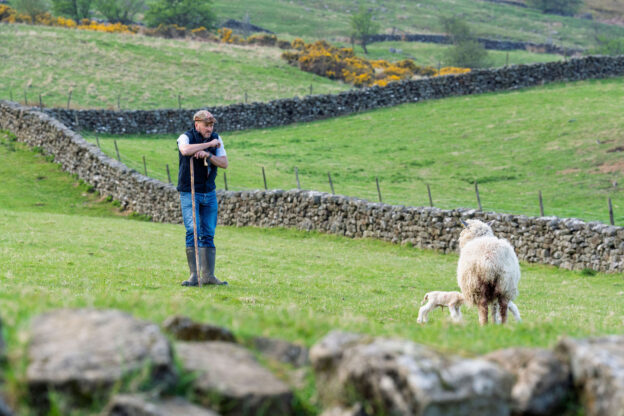
What a stark difference this year’s lambing was compared to 2023. After moving to my new farm in November 2023, I experienced the most challenging first lambing season in the North Yorkshire Moors. Not only was I still learning the lay of the land, it was the wettest lambing I’d ever experienced after starting my farming journey in September 2021. As a first-generation farmer, I’m still learning the ropes. I always say you’re never too old to learn. Listening is key to my success; I say “every day is a school day”. 2024 certainly was a challenge. Like all farmers, we experienced losses due to the harsh wet and cold lambing conditions.
Skip a year to 2025 lambing, and what a total difference. As I write this blog, it’s nearly September, and in six months, I’ve had just 35mm of rain; the ground is burnt and barren. Whilst lambing was easier with warmer conditions, the heat and drought resulted in more feed needed. I’m still feeding lamb and ewe nuts, something I should have stopped when the grass started to grow in late spring. Today, I was up on my hills near the moors, surveying the desperate conditions we all face as farmers. It’s bleak; hard decisions are having to be made; lambs that may have been kept on farm for next year’s tupping will be sold, and I’m having to be harsh and go through the ewes and sell what might not be fit enough for tupping this year. Yes, this is what we do as farmers, but this year I’ll probably send to market ewes and lambs I might have kept if grass growth was there.
Farming is hard enough as it is with all the constant challenges we face daily from various outside factors. This is why it’s so important to support your farmers. Where possible, please buy direct; every little gesture to help British farming is helping.
Posted: August 27, 2025